

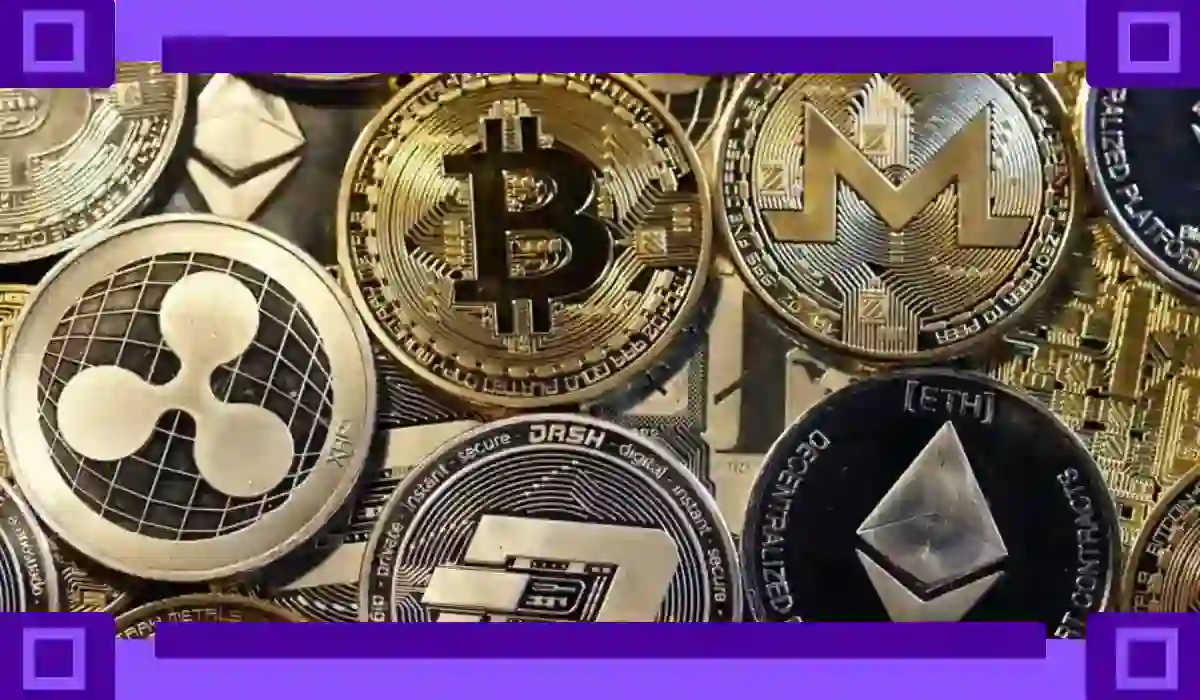
In 2026, the cryptocurrency market continues to evolve rapidly, with institutional adoption, regulatory clarity, and real-world use cases shaping investor decisions. With thousands of digital assets available, identifying the best crypto to buy right now requires careful evaluation of fundamentals, liquidity, utility, and growth potential. This article breaks down the leading contenders, from established blue-chip cryptos to emerging growth stories, to help investors make informed decisions backed by current market trends.
Bitcoin (BTC) – The Digital Gold Standard
Why BTC Still Leads
As the original and largest cryptocurrency by market capitalization, Bitcoin remains the most widely recognized and liquid digital asset on the planet. Often referred to as digital gold, Bitcoin’s primary appeal lies in its scarcity, institutional adoption, and brand recognition, features that have helped it maintain dominance through multiple market cycles.
Institutional backing: Bitcoin exchange-traded funds (ETFs) and institutional allocations continue to support demand, drawing capital from traditional finance that has historically ignored crypto.
Store-of-value narrative: With a fixed supply capped at 21 million coins, Bitcoin is prized as a hedge against inflation and currency debasement, especially in volatile macro environments.
Investment Outlook
For long-term holders, Bitcoin is often considered the safest core position in a crypto portfolio. Its market maturity and leadership status make it a top choice for investors who prefer lower relative volatility compared to smaller altcoins.
Ethereum (ETH) – The Smart Contract Powerhouse
Why Ethereum Is a Top Pick
While Bitcoin dominates as a store of value, Ethereum plays a fundamentally different role. It serves as the backbone of decentralized applications (dApps), decentralized finance (DeFi), and smart contracts. This level of utility makes ETH arguably the second most essential crypto asset.
Network utility: ETH fuels the largest ecosystem of DeFi platforms, NFT marketplaces, and tokenized assets, providing real-world usage beyond speculation.
Layer-2 expansion: Scaling solutions built on Ethereum reduce network fees and increase throughput, making the ecosystem more accessible and boosting demand for ETH.
Investment Outlook
Ethereum is ideal for investors seeking exposure to the broader digital economy, from finance and gaming to decentralized marketplaces. Its evolution beyond simple transactions toward a global decentralized infrastructure positions ETH as a strong long-term buy.
Solana (SOL) – Speed and Scalability at Scale
Why Solana Stands Out
If Bitcoin and Ethereum represent the base layers of crypto, Solana represents the performance layer. It is known for its high-speed, low-cost transactions. Solana’s technical design enables thousands of transactions per second, making it well-suited for DeFi, Non‑Fungible Token (NFT), and high-frequency applications.
Growing ecosystem: Despite past network outages, Solana has regained developer interest and user adoption, particularly in high-performance apps and gaming use cases.
Cost advantage: Lower fees compared to Ethereum have attracted a range of new projects and users, positioning SOL as a viable alternative for scalable blockchain solutions.
Investment Outlook
Solana is often viewed as a growth-oriented crypto, appealing to investors who seek higher potential returns, along with higher risk, by backing platforms with scalable infrastructure and expanding application ecosystems.
XRP – Cross-Border Payments and Institutional Use
Why XRP Matters
Unlike many tokens focused on decentralized applications, XRP is designed for global payments and liquidity solutions, particularly for banks and institutional remittances. Its utility lies in facilitating fast, low-cost cross-border transfers, a space historically dominated by legacy systems like SWIFT.
Real-world adoption: Ripple, the company behind XRP, has partnered with financial institutions to trial and implement cross-border solutions, reinforcing XRP’s utility in real settlement use cases.
Investment Outlook
For investors prioritizing transactional utility and institutional adoption rather than pure speculative growth, XRP offers a distinctive value proposition as a bridge asset in global finance networks.
Stablecoins – Stability (USDC/USDT)
Why Stablecoins Deserve Attention
Although stablecoins like USD Coin (USDC) and Tether (USDT) are not traditional investments, as they are pegged to fiat currencies, they play a critical role in crypto portfolios, especially during market volatility.
Risk management: Stablecoins provide investors a way to maintain liquidity without exiting the crypto ecosystem entirely, protecting capital when markets swing or correct.
DeFi utility: Beyond holding, stablecoins are used as collateral, for earning yield in DeFi protocols, and as settlement assets in trading.
Investment Outlook
Stablecoins are not a growth asset, but they are essential for prudent risk management and portfolio flexibility in uncertain conditions.
Choosing the Right Crypto for Your Strategy
Long-Term Core Holding
If your investment goal is long-term wealth accumulation with relative stability, Bitcoin and Ethereum should form the foundation of your crypto portfolio. Their established ecosystems and institutional credibility set them apart from most other assets.
Growth Potential
For higher-growth exposure, with commensurate risk, Solana and other next-generation platforms like Avalanche or Polygon may offer significant upside, especially during expanding bull markets.
Utility and Real-World Adoption
If use-case drives your investment philosophy, payment-focused assets like XRP or utility tokens powering specific ecosystems could yield value that aligns with actual adoption.
Stability and Risk Control
Stablecoins should be incorporated strategically, not for growth, but for capital preservation and tactical deployment into market opportunities.
Final Thoughts: Balance and Due Diligence
There is no single best crypto to buy right now that fits all investors. The ideal choice depends on your risk tolerance, investment horizon, and financial goals. Blue-chip assets like Bitcoin and Ethereum dominate for good reasons: deep liquidity, broad adoption, and real utility. Meanwhile, scalable platforms and specialized tokens offer higher potential returns but with greater volatility.
Whatever your strategy, diversification, due diligence, and a long-term mindset remain critical. Do your own research, stay informed on market developments, and align your crypto investments with your personal financial plan.
Also Read: Cryptocurrency Types Explained: Coins, Tokens, and Blockchain Networks