

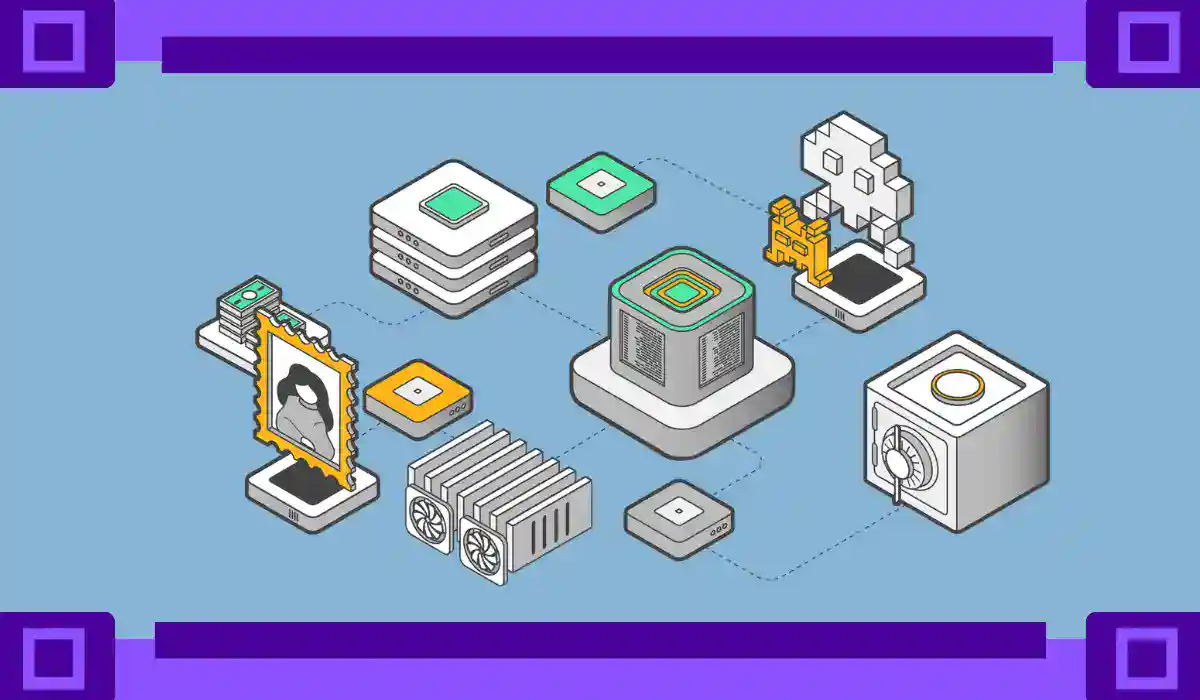
Initial DEX Offerings (IDOs) have become one of the most talked‑about topics in the crypto world in recent years, offering a new way for projects to raise capital and for investors to get early access to new tokens. As decentralized finance (DeFi) gains traction and more blockchain projects launch, understanding what IDOs are, how they work, and why they matter in 2026 is essential for both beginners and seasoned crypto enthusiasts.
What Is an IDO?
An Initial DEX Offering (IDO) is a method for launching a new cryptocurrency token through a decentralized exchange (DEX), where projects offer tokens directly to investors in a public sale. Unlike traditional token launches such as an Initial Coin Offering (ICO) or an Initial Exchange Offering (IEO), IDOs take place entirely on decentralized platforms without a centralized intermediary controlling the process.
The term “DEX” refers to a blockchain‑based exchange where users trade directly with each other via smart contracts, rather than through a central authority. By using this model, token sales become more transparent, open, and accessible to a global audience.
How Do IDOs Work?
At its core, an IDO is a fundraising event powered by blockchain automation and decentralized finance tools. Here’s a closer look at how they typically operate:
Token Launch on a Decentralized Exchange
When a project decides to launch an IDO, it specifies the number of tokens for sale and a starting price. These tokens are then made available on a DEX like UniSwap, PancakeSwap, or others that support decentralized launchpads.
Liquidity Pool Creation
Unlike some traditional offerings where tokens are sold and then listed later, IDOs use liquidity pools. A liquidity pool is essentially a collection of two paired tokens (for example, ETH and the new token) placed into a smart contract, which enables instant token trading once the sale begins. This means that as soon as the IDO is over, participants can trade the token immediately on the DEX.
Smart Contracts and Automation
The entire process selling tokens, distributing them to participants, and providing liquidity is governed by smart contracts. These self‑executing pieces of code automate transactions, making the process transparent and less prone to human error or manipulation.
Open Participation
To join an IDO, investors usually need a compatible crypto wallet like MetaMask or Binance Chain Wallet and sufficient cryptocurrency to participate. There’s no centralized registration process; anyone with the required wallet and funds can take part, making IDOs highly accessible.
Why IDOs Have Gained Popularity
IDO models emerged as a response to the limitations of earlier fundraising methods like ICOs and IEOs. While ICOs were revolutionary at their peak, many suffered from scams, funding mismanagement, and delays in token listings. IDOs address many of these issues with a decentralized approach:
- Immediate liquidity: Because tokens are tradable on DEXs right after launch, investors aren’t left waiting for a centralized exchange to list the token.
- Lower costs: Projects don’t need to pay hefty fees to centralized exchanges for listing, and there’s no gatekeeper controlling who can participate.
- Broader access: Anyone around the world can participate without KYC requirements in many cases, promoting inclusivity.
- Decentralization: The entire process aligns with the ethos of blockchain transparent, automated, and user‑driven.
Because of these factors, IDOs became a preferred launch method for many DeFi projects and other blockchain initiatives seeking community involvement and early funding.
Comparing IDOs with ICOs and IEOs
To better understand the IDO framework, let’s compare it with the more traditional token launch methods:
- ICO (Initial Coin Offering): The project sells tokens directly to investors, usually through its own website or platform. There’s often no intermediary or vetting process, which historically has led to fraud risks.
- IEO (Initial Exchange Offering): Tokens are sold through a centralized exchange, which vets the project and handles the sale, often involving strict listing rules and higher fees.
- IDO: Tokens are launched on a decentralized exchange where smart contracts handle distribution, liquidity, and trading without a central authority.
The key distinction is that IDOs facilitate immediate trading and liquidity directly on a DEX, whereas ICOs and IEOs often involve more intermediaries and delays before trading begins.
The Benefits of IDOs
IDO fundraising offers several advantages, particularly for emerging blockchain projects and community‑focused investors:
Immediate Token Trading
With IDOs, once the fundraising event concludes, the token is instantly tradable on the corresponding DEX. There’s no waiting period for exchange approvals or listings, which means investors can trade or hold their tokens right away.
Lower Barriers for Participation
Because IDOs operate through decentralized platforms, anyone with a supported wallet can participate. This democratizes access and allows retail investors to join projects at an early stage without institutional hurdles.
Cost Efficiency for Projects
Launching through a DEX is typically less expensive than negotiating with centralized exchanges that charge high fees or require token allocation for listing rights.
Transparency
Blockchain‑based IDOs keep the entire process publicly verifiable. Smart contracts govern token allocation and liquidity, reducing the risk of manual interference.
Risks and Challenges
Although empowering and innovative, IDOs are not without risks:
Lack of Regulation and KYC
Many IDOs do not require Know Your Customer (KYC) processes, which can attract bad actors and create legal concerns depending on your jurisdiction.
Scam and Rug Pull Potential
Because anyone can launch an IDO, poorly vetted projects or malicious teams can deceive investors. Rigorous research and due diligence are vital before participating.
Liquidity Risks
Although IDOs aim to provide liquidity through pools, newly launched tokens can still experience high volatility and low trading volumes, especially if investor interest wanes.
What the Future Holds for IDOs
By 2026, IDOs continue to evolve with increasing demand for decentralized and transparent fundraising. As more DeFi ecosystems expand and newer launchpad innovations emerge, IDOs are likely to integrate enhanced security features, regulatory compliance options, and community governance tools. These developments could make decentralized token launches even more efficient and safer for participants worldwide.
Conclusion
Initial DEX Offerings (IDOs) represent a dynamic and innovative way for blockchain projects to raise capital and for investors to access new tokens. By leveraging decentralized exchange infrastructure, IDOs offer immediate trading, inclusive participation, and cost‑efficient fundraising compared to traditional models. But like all crypto ventures, they come with risks that require careful investigation and awareness.
Whether you’re just starting in crypto or exploring new investment avenues, grasping how IDOs work and their potential impact on the future of decentralized finance will help you make smarter decisions in the rapidly changing crypto landscape.