

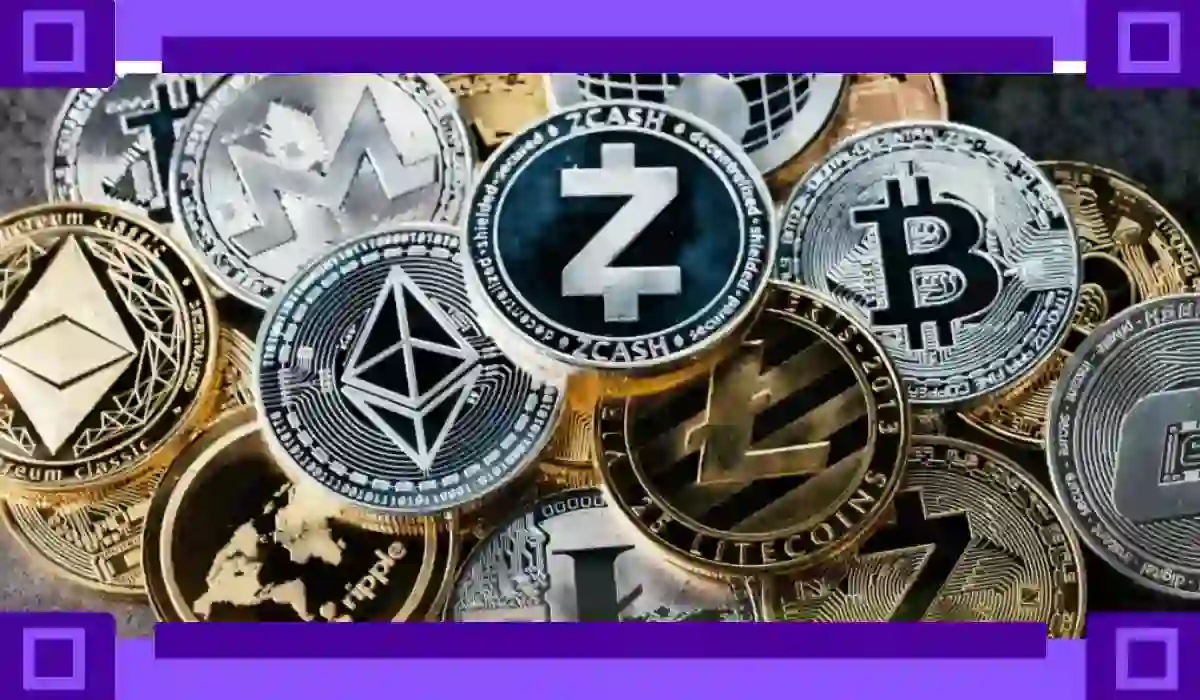
Japan is once again emerging as a global leader in the cryptocurrency space, but this time through a powerful combination of strict regulation and structured market growth. The country’s latest move recognizing more than 100 crypto tokens within its regulated ecosystem signals a maturing digital asset landscape that balances innovation with investor protection.
This development reflects a broader shift in Japan’s financial strategy, where digital assets are no longer treated as fringe instruments but as an integral part of the modern financial system. With regulatory clarity improving and institutional participation increasing, Japan’s crypto market is entering a new phase of expansion.
Japan’s Expanding Crypto Ecosystem
Japan’s regulated crypto market has grown significantly, with over 100 crypto tokens now officially recognized across licensed platforms. This milestone highlights the country’s commitment to fostering a compliant yet diverse digital asset environment.
Unlike many jurisdictions that struggle with unclear policies, Japan has built a structured ecosystem where crypto tokens are listed and traded under strict supervision. The presence of more than two dozen registered crypto service providers further strengthens this framework, ensuring that only compliant entities operate within the market.
This approach allows investors to access a wide variety of assets including decentralized finance (DeFi) tokens, gaming-related cryptocurrencies, AI-based tokens, and stablecoins within a regulated setting. The diversity of crypto tokens reflects growing demand and innovation across blockchain sectors.
The Role of Regulation in Market Growth
At the heart of Japan’s crypto expansion lies its regulatory framework, led by the Financial Services Agency (FSA). Over the years, the FSA has refined policies to ensure transparency, security, and compliance in the digital asset space.
Japan first introduced crypto regulations through revisions to the Payment Services Act in 2017, establishing licensing requirements for exchanges and implementing safeguards against fraud and misuse.
Since then, the regulatory environment has continued to evolve. Recent efforts aim to align digital assets with traditional financial instruments, potentially bringing them under stricter financial laws and investor protection measures.
This progressive tightening of regulations has not hindered growth instead, it has created a stable environment that encourages institutional participation and long-term investment.
JVCEA Green List and Faster Token Listings
A key component of Japan’s crypto regulatory success is the role of industry bodies such as the Japan Virtual and Crypto Assets Exchange Association (JVCEA). The organization maintains a “Green List” of approved crypto tokens that meet regulatory standards.
This list currently includes dozens of pre-approved tokens, allowing exchanges to list them more quickly without undergoing lengthy approval processes each time.
The collaboration between the JVCEA and the FSA has streamlined token approvals, making it easier for new projects to enter the market while maintaining high compliance standards. This system strikes a balance between innovation and regulation something many countries struggle to achieve.
Strengthening Compliance Through the Travel Rule
Japan has also taken significant steps to enhance compliance and transparency in crypto transactions. One notable initiative is the implementation and expansion of the “travel rule,” which requires crypto service providers to share transaction data for monitoring purposes.
Recent amendments have extended this framework to include more jurisdictions, increasing the scope of cross-border oversight.
This move ensures that crypto transactions remain traceable and aligned with global anti-money laundering (AML) standards. While it adds compliance requirements for businesses, it also builds trust among regulators and institutional investors.
Integration with Traditional Financial Systems
Japan’s regulatory evolution is not just about oversight it’s also about integration. Authorities are working toward positioning cryptocurrencies alongside traditional financial products, potentially granting them similar legal status.
Such changes could introduce rules like insider trading restrictions and enhanced disclosure requirements, further legitimizing the crypto market.
Additionally, discussions are underway to allow banking institutions and financial firms to participate more actively in crypto services. This could significantly expand market access and drive mainstream adoption.
Market Growth and Investor Adoption
Japan’s crypto market is already showing signs of strong growth. Investor interest has surged, with digital asset holdings reaching substantial levels in recent years.
The combination of regulatory clarity and expanding product offerings has attracted both retail and institutional investors. Platforms are introducing new services, including simplified trading options and diversified asset portfolios, to capture a broader audience.
Moreover, the potential introduction of crypto-related financial products such as exchange-traded funds (ETFs) and tax reforms could further accelerate adoption in the coming years.
Stablecoins and the Future of Digital Finance
Another important aspect of Japan’s crypto evolution is the rise of stablecoins. Regulatory reforms have created opportunities for stablecoin issuers to operate within a clear legal framework, enabling innovation in digital payments.
The development of yen-backed stablecoins, for instance, highlights Japan’s ambition to integrate blockchain technology into its financial infrastructure.
Stablecoins could play a crucial role in cross-border transactions, remittances, and digital commerce, offering faster and more cost-effective alternatives to traditional systems.
Balancing Innovation and Risk
While Japan’s approach to crypto regulation has been widely praised, it is not without challenges. The country must continue to balance innovation with risk management, particularly in areas such as market volatility, cybersecurity, and investor protection.
Strict compliance requirements can also pose barriers for smaller startups, potentially limiting innovation. However, Japan’s structured framework aims to mitigate these risks while maintaining a competitive edge in the global crypto market.
Global Implications of Japan’s Strategy
Japan’s regulatory model is increasingly being viewed as a benchmark for other countries. By combining clear rules with industry collaboration, the country has created an environment where crypto businesses can thrive without compromising security.
As global regulators seek to establish their own frameworks, Japan’s approach offers valuable insights into how to manage digital assets effectively. Its emphasis on transparency, compliance, and innovation could shape the future of crypto tokens regulation worldwide.
Conclusion
Japan’s recognition of over 100 crypto tokens marks a significant milestone in the evolution of its digital asset market. Rather than stifling growth, the country’s regulatory framework has enabled a structured and sustainable expansion.
By fostering collaboration between regulators and industry players, implementing robust compliance measures, and integrating crypto into the broader financial system, Japan is setting a new standard for the global crypto economy.
As the market continues to evolve, Japan’s balanced approach could prove to be the blueprint for how regulation and innovation can coexist driving long-term growth while ensuring stability and trust in the digital asset space.