

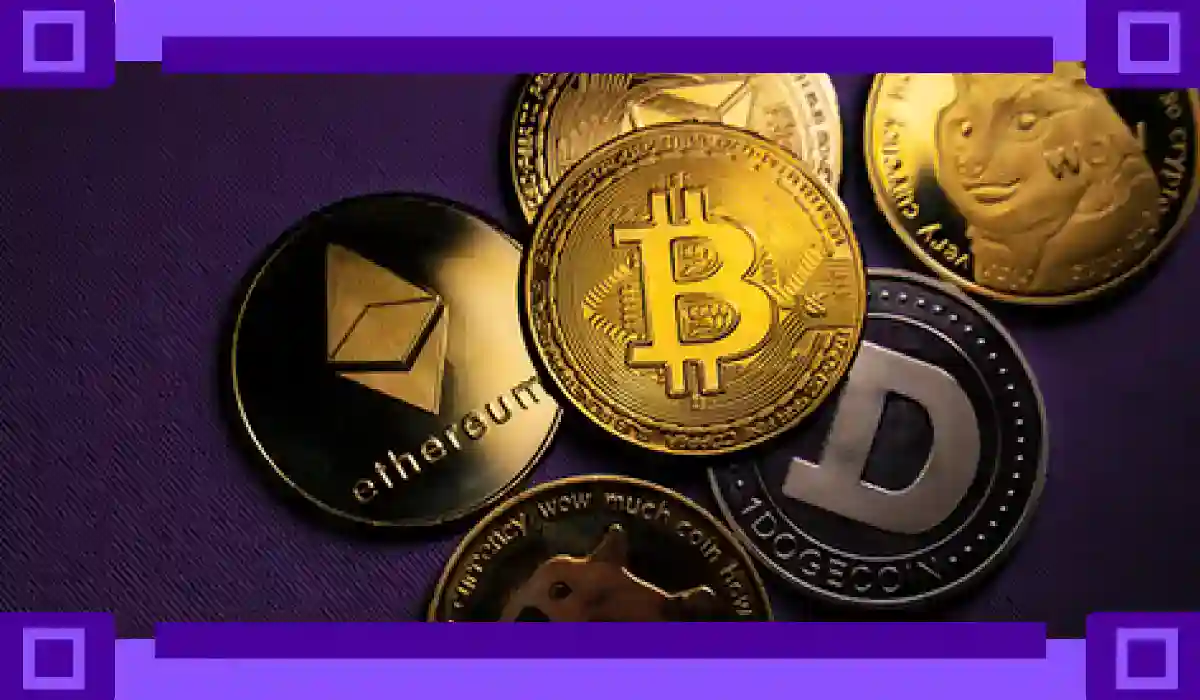
Long-term cryptocurrencies are becoming one of the most searched investment topics as more investors shift from short-term speculation to sustainable wealth building in the digital asset market. With the crypto industry maturing rapidly, 2026 is shaping up to be a defining year for blockchain adoption, institutional participation, and real-world utility expansion.
In this guide, we will explore the best long-term cryptocurrencies for 2026, how to identify strong projects, and which digital assets may offer the most potential for long-term holding strategies. This article is designed to help investors make informed decisions based on fundamentals rather than hype.
Why Long-Term Crypto Investing Matters in 2026
The cryptocurrency market has evolved significantly over the last decade. What started as a niche experiment with Bitcoin has now become a multi-trillion-dollar ecosystem involving decentralized finance, smart contracts, tokenized assets, and Web3 infrastructure.
In 2026, the focus is no longer just on price speculation but on utility, scalability, and adoption. Institutional investors, hedge funds, and even governments are exploring blockchain integration. This shift makes long-term cryptocurrencies more relevant than ever, as short-term trading becomes increasingly volatile compared to structured, long-term investment approaches.
Another major reason long-term investing is gaining traction is market maturity. With clearer regulations emerging in several regions and improved security standards across exchanges, investors are now more confident holding digital assets for extended periods.
Ultimately, long-term holding is about capturing the full growth cycle of innovative blockchain technologies rather than reacting to daily market fluctuations.
Criteria for Choosing Strong Long-Term Crypto Assets
Selecting the right assets is crucial when building a long-term portfolio. Not every cryptocurrency is designed to survive multiple market cycles. The strongest long-term cryptocurrencies typically share a few key characteristics that help them maintain relevance and value over time.
First, strong fundamentals matter. This includes a clear use case, real-world utility, and a sustainable economic model. Projects that solve real problems such as scalability, cross-border payments, or decentralized computing tend to outperform purely speculative tokens.
Second, developer activity is a critical indicator. Active development signals ongoing innovation and the ability to adapt to changing market conditions. Platforms with large developer communities are more likely to survive long-term competition.
Third, institutional adoption plays a major role. When large organizations start integrating a blockchain into their systems, it increases trust and long-term demand.
Lastly, security and decentralization are essential. Networks that are highly secure and resistant to manipulation are more likely to maintain investor confidence over time.
Understanding these criteria helps investors filter out low-quality projects and focus only on strong long-term cryptocurrencies with sustainable growth potential.
Top Long-Term Cryptocurrencies for 2026
Below are some of the most promising digital assets that continue to demonstrate strong fundamentals, adoption, and long-term growth potential. These are widely considered among the best long-term cryptocurrencies for 2026.
1. Bitcoin (BTC)
Bitcoin remains the dominant force in the crypto market. As the first decentralized digital currency, it continues to serve as a store of value often compared to digital gold. Its fixed supply of 21 million coins makes it inherently scarce, which supports long-term price appreciation potential.
Bitcoin’s increasing institutional adoption and recognition as a macro hedge asset strengthen its position as a core holding in any long-term crypto portfolio.
2. Ethereum (ETH)
Ethereum is the backbone of decentralized applications and smart contracts. It powers a massive ecosystem of decentralized finance (DeFi) platforms, NFTs, and Web3 applications. The transition to proof-of-stake has improved scalability and reduced energy consumption, making Ethereum more sustainable.
Its continuous upgrades and developer dominance make it one of the strongest long-term cryptocurrencies in the market.
3. Solana (SOL)
Solana is known for its high-speed blockchain and low transaction fees. It has gained significant traction in DeFi, gaming, and non‑fungible token (NFT) ecosystems. Despite facing network challenges in the past, continuous improvements have strengthened its reliability.
Its ability to process thousands of transactions per second positions it as a strong competitor in the smart contract space.
4. Chainlink (LINK)
Chainlink plays a critical role in connecting smart contracts with real-world data through decentralized oracles. This infrastructure is essential for DeFi applications, insurance protocols, and financial automation systems.
As blockchain adoption expands, Chainlink’s utility becomes increasingly important, making it a strong candidate among long-term cryptocurrencies.
5. Polygon (POL)
Polygon provides scaling solutions for Ethereum by improving transaction speed and reducing costs. It is widely adopted by developers building decentralized applications (dApps) that require efficient performance.
Its partnerships with major companies and continued expansion of its scaling ecosystem support its long-term growth outlook.
Building a Balanced Long-Term Crypto Portfolio
A successful investment strategy is not about choosing a single winning asset but building a diversified portfolio. Even the strongest long-term cryptocurrencies carry risk, so diversification helps reduce exposure to volatility.
A balanced portfolio typically includes a mix of large-cap assets like Bitcoin and Ethereum, along with mid-cap projects like Solana, Chainlink, and Polygon. This combination allows investors to benefit from both stability and growth potential.
It is also important to allocate investments gradually instead of investing all capital at once. This approach helps reduce the impact of market volatility over time.
Another key strategy is holding through market cycles. Crypto markets often experience strong bull and bear cycles, and long-term investors benefit most when they avoid emotional selling during downturns.
Risks to Consider Before Investing
While the potential for growth is significant, investing in long-term cryptocurrencies also comes with risks. Market volatility remains one of the biggest challenges. Prices can fluctuate dramatically within short periods, even for strong projects.
Regulatory uncertainty is another factor. Governments around the world are still developing frameworks for digital assets, which could impact certain cryptocurrencies differently.
Technological risk should also be considered. Blockchain projects must continuously evolve to remain competitive. Failure to innovate can result in loss of relevance over time.
Security risks, such as hacks or smart contract vulnerabilities, also exist within the ecosystem, especially in newer or less audited projects.
Understanding these risks allows investors to make more rational decisions and maintain a long-term perspective.
Future Outlook of the Crypto Market
The future of cryptocurrency is increasingly tied to real-world adoption. By 2026 and beyond, blockchain technology is expected to integrate further into finance, supply chains, gaming, healthcare, and identity systems.
This expansion supports the long-term value proposition of established networks. As adoption grows, demand for reliable infrastructure will increase, further strengthening leading long-term cryptocurrencies.
Additionally, advancements in scalability, interoperability, and regulatory clarity will likely shape the next phase of crypto evolution. Projects that adapt to these changes will remain dominant in the long run.
Conclusion
Investing in cryptocurrencies requires a long-term mindset, especially in a market known for volatility and rapid innovation. The strongest opportunities lie in projects that combine real-world utility, strong developer ecosystems, and increasing institutional adoption.
Bitcoin, Ethereum, Solana, Chainlink, and Polygon represent some of the most promising assets for 2026 and beyond. These projects continue to demonstrate resilience and innovation, making them key contenders in any serious portfolio.
Ultimately, success in crypto investing is not about timing the market but about time in the market. By focusing on strong fundamentals and holding quality assets, investors can position themselves for long-term growth in the evolving digital economy.