

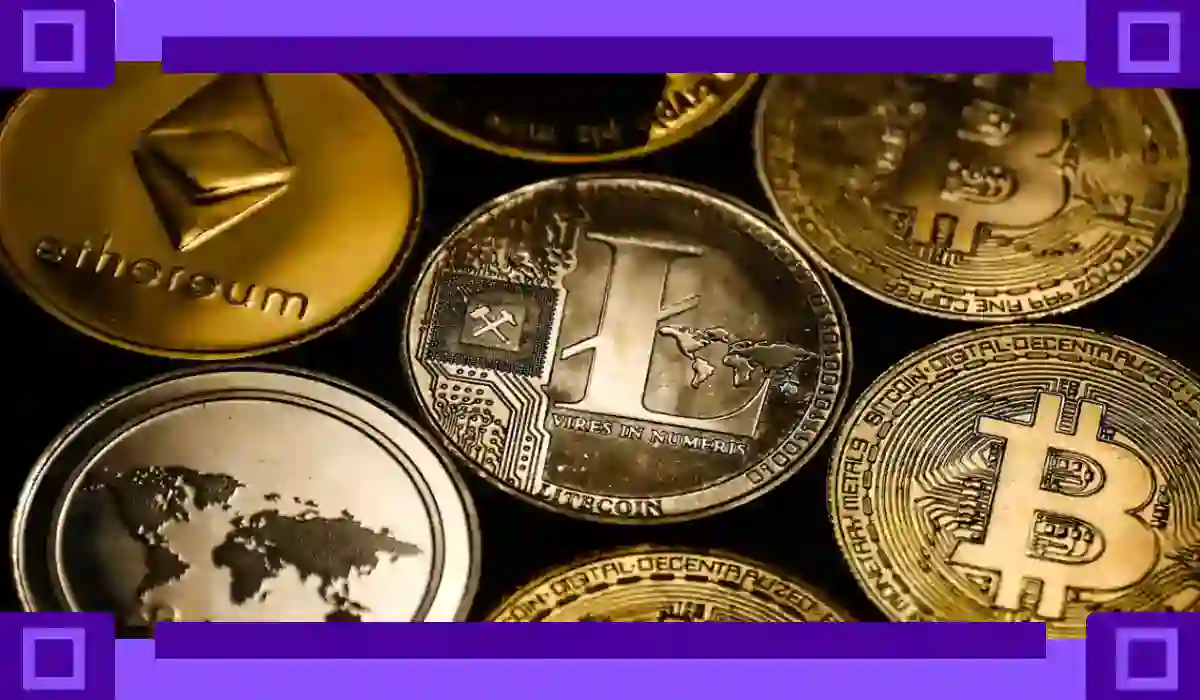
Best alternative crypto after bitcoin is becoming one of the most searched investment themes as investors look for the next big digital assets beyond BTC. The idea of finding the best alternative crypto after Bitcoin is gaining momentum in 2026 as the market matures, institutions expand their holdings, and new blockchain use cases emerge.
Bitcoin remains the dominant store of value, but it is no longer the only narrative driving growth in the crypto economy. Traders and long-term investors are increasingly shifting attention toward altcoins that offer scalability, real-world utility, and exposure to emerging sectors like decentralized finance (DeFi), artificial intelligence (AI), and tokenized real-world assets (RWA). This evolving landscape has created a strong demand for identifying the most promising opportunities that could outperform Bitcoin in percentage growth during the next market cycle.
In this guide, we explore the strongest altcoin categories and standout projects that could define the next wave of crypto adoption and investment potential heading into 2026.
Why Investors Are Searching for Crypto Beyond Bitcoin in 2026
The crypto market has matured significantly since Bitcoin’s early dominance. While Bitcoin continues to serve as “digital gold,” its growth rate has naturally slowed compared to smaller-cap assets. This shift encourages investors to diversify into alternative cryptocurrencies that may offer higher upside potential.
One major reason for this transition is innovation. New blockchain networks are solving limitations that Bitcoin was never designed to address, such as smart contract functionality, transaction speed, and interoperability. Additionally, institutional adoption is no longer limited to Bitcoin and Ethereum; funds are increasingly exploring diversified crypto baskets that include promising altcoins.
Macroeconomic conditions also play a role. As global markets become more digital, blockchain-based infrastructure is expected to integrate more deeply into finance, gaming, supply chains, and digital identity systems. This means investors are actively searching for the best crypto after bitcoin opportunities that align with long-term technological transformation.
What Makes a Strong Alternative Crypto Investment?
Not every altcoin has long-term potential. The strongest projects typically share several key characteristics that help them stand out in a highly competitive market.
A high-quality alternative crypto usually offers real utility beyond speculation. This could include powering decentralized applications, enabling cross-border payments, or supporting smart contract ecosystems. Projects with strong developer communities and active network growth tend to sustain long-term relevance.
Another important factor is scalability. Networks that can handle high transaction volumes with low fees are more likely to attract users and institutional adoption. Security is equally important, as vulnerabilities can undermine trust and slow adoption.
Finally, tokenomics plays a crucial role. Sustainable supply models, staking mechanisms, and real demand for tokens contribute to healthier long-term price performance. Investors evaluating crypto after bitcoin should focus on fundamentals rather than short-term hype cycles.
Top Altcoins for 2026 Growth Potential
While the market is highly dynamic, several established and emerging cryptocurrencies are consistently mentioned as strong contenders for long-term growth. Below are some of the most promising categories and assets to watch:
1. Ethereum (ETH)
Ethereum remains the leading smart contract platform and continues to dominate decentralized application development. With ongoing upgrades focused on scalability and energy efficiency, Ethereum is positioned to maintain its leadership in DeFi and NFT ecosystems.
2. Solana (SOL)
Solana has gained strong attention due to its high-speed, low-cost transactions. Its ecosystem has expanded into DeFi, gaming, and NFT marketplaces, making it one of the most active blockchain networks in terms of user engagement.
3. Chainlink (LINK)
Chainlink plays a critical role in connecting blockchain networks with real-world data through decentralized oracles. As tokenization of real-world assets expands, Chainlink’s infrastructure becomes increasingly important.
4. Arbitrum (ARB)
As a leading Layer 2 scaling solution for Ethereum, Arbitrum helps reduce congestion and transaction fees. Its growing ecosystem of decentralized applications makes it a strong candidate for future expansion.
5. Avalanche (AVAX)
Avalanche offers customizable blockchain networks and fast transaction finality. Its architecture is designed for enterprise adoption and DeFi applications, giving it strong long-term potential.
These assets represent different segments of the blockchain industry, from infrastructure to scalability solutions. Diversifying across such categories can help investors gain broader exposure to the evolving digital economy.
Emerging Narratives Driving Altcoin Growth
Beyond individual projects, broader market narratives are shaping where capital flows in the crypto space. One of the most influential trends is artificial intelligence integration. Blockchain projects that combine AI with decentralized networks are attracting significant attention due to their potential use cases in automation, data processing, and predictive analytics.
Another growing trend is real-world asset tokenization. This involves bringing traditional assets like real estate, bonds, and commodities onto blockchain networks. This sector is expected to unlock trillions in liquidity over time, making it a key driver for altcoin adoption.
Decentralized finance also continues to evolve. While early DeFi projects focused on lending and trading, newer platforms are expanding into derivatives, insurance, and automated yield strategies. These innovations create new opportunities for investors seeking crypto after bitcoin exposure beyond traditional assets.
Finally, interoperability is becoming essential. As multiple blockchains coexist, networks that enable seamless communication between ecosystems are gaining strategic importance. This trend is likely to shape the next generation of crypto infrastructure.
Risk Factors and Smart Investment Strategy
While altcoins offer higher growth potential, they also come with increased risk compared to Bitcoin. Market volatility remains a major factor, with prices often experiencing sharp fluctuations based on sentiment, regulation, or macroeconomic events.
Regulatory uncertainty is another key concern. Governments worldwide are still developing frameworks for digital assets, and sudden policy changes can impact market performance. Investors must stay informed about regulatory developments in major economies.
Security risks, including smart contract vulnerabilities and exchange hacks, also remain relevant. Choosing well-audited and established projects can help reduce exposure to these risks.
A balanced investment strategy is essential. Instead of concentrating heavily on a single asset, diversification across multiple high-quality altcoins can help manage volatility. Long-term investors often focus on accumulating during market dips and holding through cycles rather than chasing short-term gains.
Final Thoughts on the Future of Altcoins
The search for the next major opportunity beyond Bitcoin continues to shape the crypto market in 2026. While Bitcoin remains the foundation of digital assets, the real innovation and rapid growth are increasingly happening within altcoin ecosystems.
As blockchain technology expands into mainstream industries, the demand for scalable, efficient, and utility-driven networks will only increase. This creates a wide range of investment opportunities for those willing to explore beyond the dominant cryptocurrency.
Ultimately, identifying the right crypto after bitcoin requires a combination of research, risk management, and awareness of emerging technological trends. Investors who focus on strong fundamentals and long-term adoption narratives are more likely to benefit from the next phase of digital asset growth.
The future of crypto is no longer defined by a single asset; it is a multi-chain, multi-sector ecosystem where innovation drives value.