

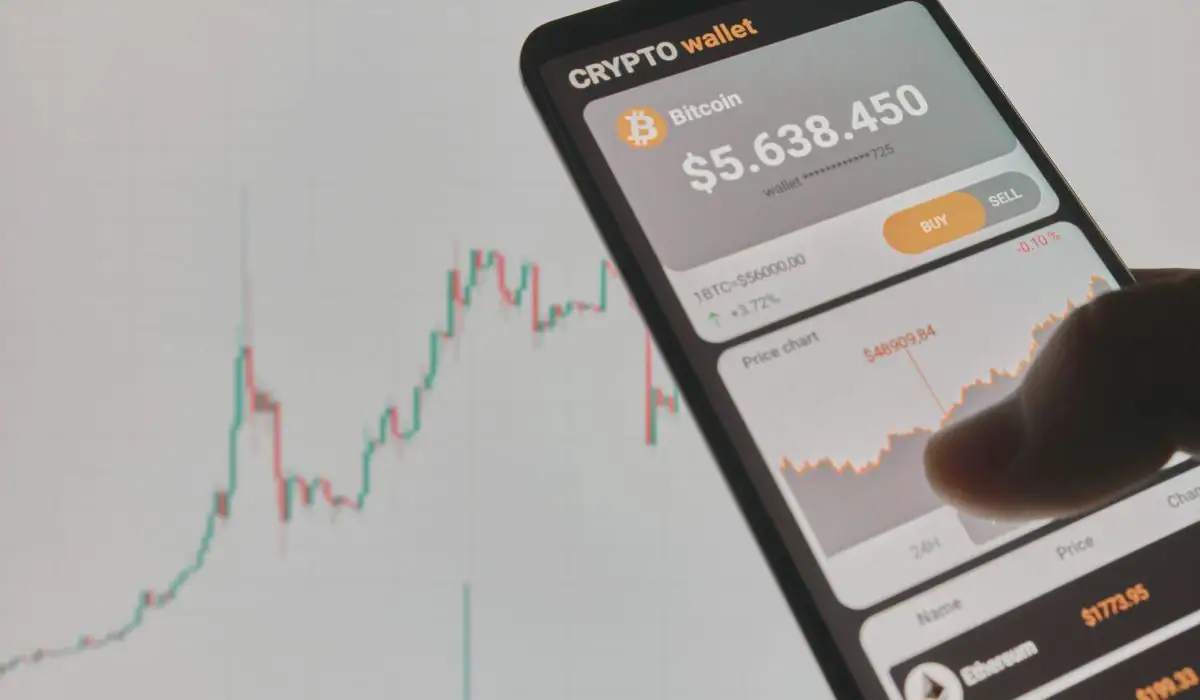
Getting into crypto for the first time can feel a bit like being handed the keys to a brand-new car exciting, but also a little overwhelming. One of the first and most important decisions you’ll face as a beginner is: where do I actually keep my crypto? This guide breaks it all down in plain English. No jargon overload, no scare tactics just clear, honest advice to help you pick the right crypto wallet and keep your digital assets safe in 2026.
What Is a Crypto Wallet And Why Do You Need One?
Think of a crypto wallet like a digital key ring. It doesn’t actually store your coins your Bitcoin, Ethereum, or any other token lives on the blockchain. What the wallet stores are your private keys: the cryptographic codes that prove you own your crypto and allow you to send or receive it.
Without a wallet, you can’t access, send, or receive crypto. It’s that simple. And choosing the wrong type of wallet or a poorly secured one can mean the difference between keeping your investment safe and losing it forever.
In 2026, with crypto adoption hitting mainstream levels, the options are better than ever. But that also means there’s more to sift through. Let’s make it simple.
Types of Crypto Wallets: Hot vs. Cold
There are two broad categories of crypto wallets, and understanding the difference is the foundation of crypto security:
Hot Wallets (Online / Software Wallets)
Hot wallets are connected to the internet. They come in the form of mobile apps, browser extensions, or desktop software. The big advantages are convenience and speed you can send and receive crypto within seconds. They’re also free to use.
Common examples include:
- MetaMask The most popular browser extension wallet, great for Ethereum and DeFi
- Trust Wallet A mobile-first wallet supporting hundreds of coins
- Coinbase Wallet User-friendly and tightly integrated with the Coinbase exchange
- Exodus A desktop and mobile wallet with a clean interface and built-in exchange
The downside? Because they’re always online, hot wallets are more vulnerable to hacking, phishing attacks, and malware. For small amounts you plan to use regularly, they’re fine. For larger holdings, you’ll want something more secure.
Cold Wallets (Offline / Hardware Wallets)
Cold wallets store your private keys completely offline. The most common form is a hardware wallet a small physical device (similar to a USB drive) that holds your keys in an isolated, tamper-resistant chip.
Top hardware wallet brands in 2026:
- Ledger Nano X / Ledger Flex The most widely used hardware wallets, with Bluetooth support
- Trezor Safe 5 Open-source firmware and a strong reputation for security and transparency
- Coldcard Mk4 Favoured by Bitcoin maximalists for its air-gapped security features
Cold wallets cost between $50 and $200, but they offer a level of security that no hot wallet can match. If you’re holding a significant amount of crypto anything you’d be genuinely upset to lose a hardware wallet is worth every cent.
Custodial vs. Non-Custodial Wallets: Who Holds Your Keys?
There’s another distinction beginners often miss, and it’s a crucial one:
Custodial wallets are managed by a third party usually a crypto exchange like Binance, Coinbase, or Kraken. When you buy crypto on an exchange and leave it there, you’re using a custodial wallet. The exchange holds your private keys. It’s convenient, especially for beginners, but it means you’re trusting that company to keep your funds safe. As the saying goes in the crypto world: “Not your keys, not your coins.”
Non-custodial wallets put you in full control. You own your private keys no company can freeze your funds, restrict access, or go bankrupt and take your crypto with them. Both hardware wallets and most software wallets like MetaMask are non-custodial. The trade-off is that you’re entirely responsible for keeping your keys safe. Lose your recovery phrase, and there’s no customer service to call.
Best Crypto Wallets for Beginners in 2026
Here’s a practical breakdown of the best options depending on your needs:
Best for Ease of Use: Coinbase Wallet
If you’re brand new to crypto, Coinbase Wallet is hard to beat. It has a clean, intuitive interface, helpful educational prompts, and integrates smoothly with the Coinbase exchange if you’re already using it. It supports thousands of tokens and has solid security features including biometric login and cloud backup of your recovery phrase (optional, and you can disable it if you prefer).
Best Mobile Wallet: Trust Wallet
Trust Wallet is the official wallet of Binance and supports over 10 million crypto assets across 100+ blockchains. The mobile experience is excellent, it’s completely free, and the interface doesn’t overwhelm beginners. It’s non-custodial, meaning you control your keys from day one.
Best for DeFi and Web3: MetaMask
If you’re even slightly curious about DeFi (decentralised finance), NFTs, or Web3 apps, MetaMask is the standard. It’s a browser extension that connects you to the Ethereum ecosystem and thousands of decentralised applications. There’s a bit of a learning curve, but it’s manageable with a bit of patience.
Best Hardware Wallet: Ledger Nano X
For anyone holding more than a few hundred dollars worth of crypto, the Ledger Nano X is the gold standard. It supports over 5,500 assets, has Bluetooth for mobile use, and keeps your private keys in a certified secure element chip. Pair it with the Ledger Live app and you have a seamless, highly secure crypto management experience.
Essential Crypto Wallet Safety Tips for Beginners
Security is where most beginners slip up and unfortunately, mistakes in crypto can be irreversible. Here are the non-negotiable rules:
- Write down your seed phrase and store it offline. When you set up a non-custodial wallet, you’ll be given a 12 or 24-word recovery phrase (also called a seed phrase or mnemonic). This is the master key to your wallet. Write it down on paper, store it somewhere safe (a fireproof safe is ideal), and never, ever store it digitally not in a notes app, not in your email, not in the cloud.
- Never share your private key or seed phrase. No legitimate wallet provider, exchange, or support agent will ever ask for your seed phrase. Anyone who does is trying to steal your crypto. Full stop.
- Use strong, unique passwords and enable 2FA. For any exchange or custodial wallet account, use a strong, unique password and enable two-factor authentication (2FA) using an authenticator app like Google Authenticator not SMS, which can be SIM-swapped.
- Buy hardware wallets directly from the manufacturer. Never buy a second-hand hardware wallet or one from an unofficial seller. A tampered device could be pre-loaded with malware designed to steal your funds.
- Be sceptical of everything. Phishing sites, fake wallet apps, and social media scams are rampant in crypto. Always double-check URLs, download apps only from official sources, and be wary of any offer that sounds too good to be true.
- Keep software updated. Wallet apps and firmware updates often contain security patches. Staying current is one of the easiest things you can do to protect yourself.
Also Read: How Blockchain Technology Powers Cryptocurrency: A Complete Beginner’s Guide
Frequently Asked Questions(FAQ)
Absolutely and many experienced crypto users do. A common approach is to use a hot wallet for small, day-to-day amounts and a hardware wallet for long-term savings. Think of it like having a physical wallet for daily spending and a bank account for savings.
As long as you have your seed phrase, you can restore your wallet on a new device. The crypto itself is always on the blockchain the hardware wallet is just a tool for accessing it. This is why keeping your seed phrase safe is so critical.
For small amounts or crypto you’re actively trading, it’s generally fine to leave funds on a reputable exchange. But exchanges have been hacked before, and some have gone bankrupt. For any significant amount you plan to hold long-term, moving it to a personal wallet ideally hardware is the smarter move.
Start Simple, Stay Secure
Choosing the right crypto wallet as a beginner doesn’t need to be complicated. If you’re just starting out, a free software wallet like Coinbase Wallet or Trust Wallet will serve you well. As your portfolio grows, invest in a hardware wallet it’s the single best security decision you can make.
The most important thing is to take security seriously from day one. Back up your seed phrase, stay alert to scams, and never invest more than you can afford to lose. With the right wallet and the right habits, you’ll be well-equipped to navigate the crypto space in 2026 and beyond.