

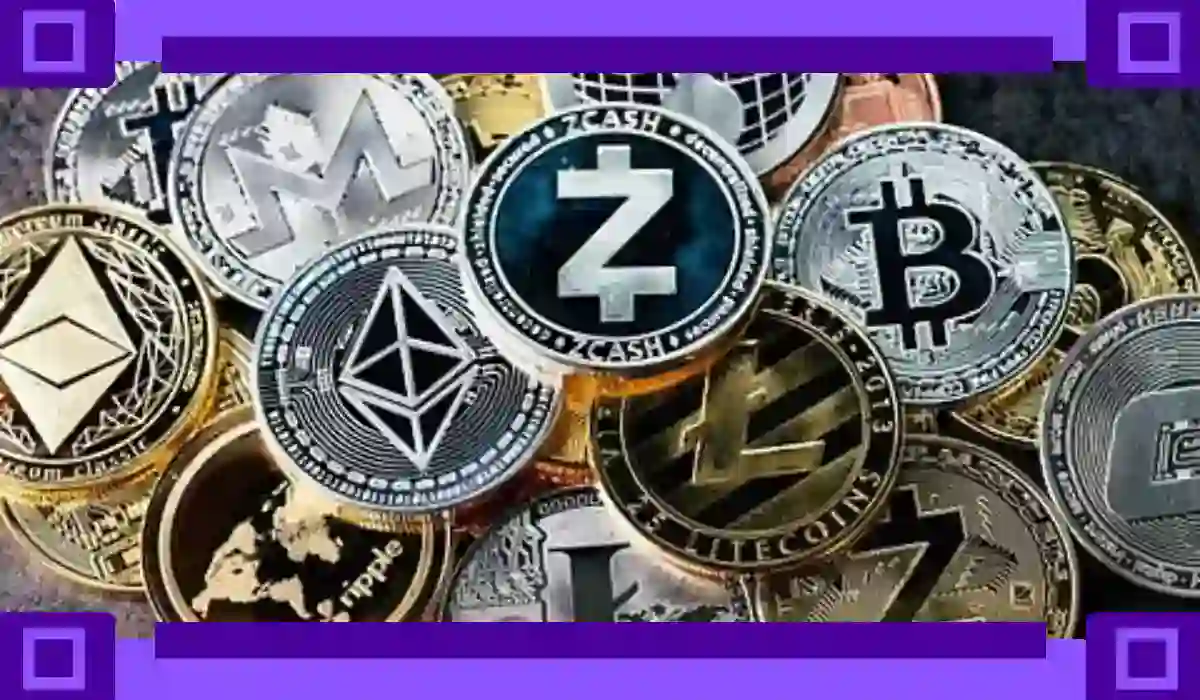
The cryptocurrency market has evolved far beyond the early dominance of Bitcoin. While Bitcoin remains the most recognized digital asset, a new generation of blockchain projects is reshaping how we think about finance, smart contracts, decentralized applications, and global payments. These innovations are driving real-world use cases across industries such as banking, gaming, supply chain, and decentralized finance (DeFi).
Explore 10 important cryptocurrencies beyond Bitcoin that are actively transforming the crypto ecosystem and influencing the future of blockchain technology.
1. Ethereum (ETH): The Backbone of Smart Contracts
Ethereum is widely regarded as the foundation of decentralized applications (dApps). Unlike Bitcoin, which primarily functions as a store of value, Ethereum introduced programmable smart contracts that allow developers to build self-executing applications.
Ethereum powers thousands of DeFi platforms, NFT marketplaces, and blockchain-based games. With its transition to Proof-of-Stake (PoS), Ethereum has also improved energy efficiency and scalability. It remains the dominant ecosystem for innovation in Web3.
2. Ripple (XRP): Revolutionizing Cross-Border Payments
XRP is designed to enable fast and low-cost international money transfers. Built for financial institutions, Ripple’s technology helps banks settle cross-border transactions in seconds rather than days.
XRP aims to replace outdated SWIFT-based systems by offering liquidity solutions and reducing transaction fees. Its focus on institutional adoption makes it one of the most practical cryptocurrencies in global finance.
3. Solana (SOL): High-Speed Blockchain for dApps
Solana has gained popularity due to its extremely fast transaction speeds and low fees. It uses a unique Proof-of-History (PoH) mechanism combined with Proof-of-Stake to achieve high throughput.
Solana is widely used in NFT marketplaces, DeFi protocols, and gaming applications. Its ability to process thousands of transactions per second makes it a strong competitor to Ethereum in scalability-focused ecosystems.
4. Cardano (ADA): Research-Driven Blockchain Development
Cardano takes a scientific and research-based approach to blockchain development. Built on peer-reviewed academic research, Cardano focuses on security, scalability, and sustainability.
Its layered architecture separates transaction processing from smart contract execution, improving efficiency. Cardano is widely used in identity management, education systems, and decentralized governance projects.
5. Polkadot (DOT): Connecting Multiple Blockchains
Polkadot is designed to solve one of blockchain’s biggest challenges: interoperability. It enables different blockchains to communicate and share data securely through its relay chain and parachain system.
This cross-chain functionality allows developers to build interconnected ecosystems rather than isolated networks. Polkadot is crucial for the future of a unified decentralized internet.
6. Chainlink (LINK): Bridging Smart Contracts and Real-World Data
Chainlink plays a vital role in connecting smart contracts with real-world data. Since blockchains cannot access external information on their own, Chainlink provides decentralized oracles that feed reliable data into blockchain applications.
This enables use cases like decentralized insurance, price feeds for DeFi platforms, and automated financial contracts. Chainlink is essential for making smart contracts more practical and real-world ready.
7. Litecoin (LTC): The Digital Silver to Bitcoin’s Gold
Litecoin is one of the earliest Bitcoin alternatives, created to offer faster transaction confirmation times and improved efficiency. Often referred to as “digital silver,” Litecoin uses a lighter blockchain structure compared to Bitcoin.
It is widely accepted for payments and remains a popular choice for everyday transactions due to its low fees and quick processing time.
8. Binance Coin (BNB): Powering the Binance Ecosystem
BNB started as a utility token for discounted trading fees on the Binance exchange but has evolved into a major blockchain asset. It now powers the BNB Chain, supporting DeFi applications, NFTs, and decentralized exchanges.
BNB’s ecosystem growth has made it one of the most widely used tokens in the world, especially for users engaged in trading and blockchain services.
9. Avalanche (AVAX): Scalable Smart Contract Platform
Avalanche is known for its high-speed consensus protocol and scalable architecture. It enables developers to launch custom blockchain networks called subnets, each optimized for specific use cases.
Avalanche supports DeFi applications, enterprise blockchain solutions, and NFT ecosystems. Its near-instant transaction finality makes it one of the fastest-growing smart contract platforms.
10. Dogecoin (DOGE): From Meme to Mainstream Adoption
Dogecoin began as a joke but has become one of the most recognized digital currencies in the world. Driven by strong community support and social media influence, Dogecoin (DOGE) is now used for tipping, donations, and small transactions.
Despite its origins, DOGE has gained real-world adoption and continues to attract attention from major brands and public figures, showing the power of community-driven crypto movements.
Why These Cryptocurrencies Matter
The crypto industry is no longer defined by a single dominant coin. Instead, it is powered by multiple ecosystems working together to solve different problems.
- Ethereum and Solana focus on decentralized applications
- Chainlink ensures real-world connectivity
- Polkadot enables blockchain interoperability
- XRP and Litecoin improve global payments
- Avalanche and Cardano push scalability and innovation
- BNB drives a massive exchange ecosystem
- Dogecoin shows the power of community-driven adoption
Together, these projects represent the evolution of blockchain beyond simple digital currency.
The Future of Crypto Beyond Bitcoin
As blockchain technology matures, the focus is shifting toward usability, scalability, and real-world integration. The next phase of crypto growth will likely be driven by interoperability between networks, institutional adoption, and expansion of decentralized finance.
Investors and developers who understand these leading cryptocurrencies gain insight into where the industry is heading: a multi-chain, interconnected digital economy.
Final Thoughts
Bitcoin may have started the revolution, but it is no longer the only player shaping the future. These 10 cryptocurrencies demonstrate how innovation is spreading across the blockchain space.
From smart contracts and global payments to decentralized data and community-powered tokens, the crypto industry continues to evolve rapidly, creating new opportunities for technology, finance, and digital ownership.