

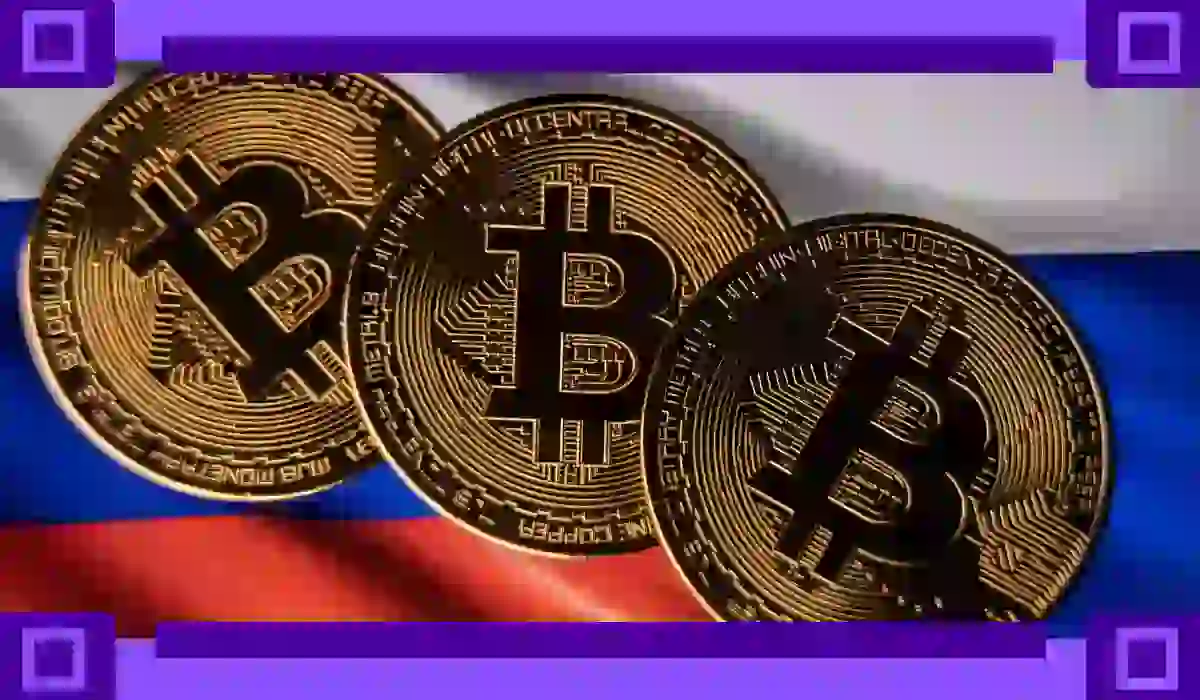
Russia is gearing up to Block Foreign Crypto Exchanges as part of its broader effort to regulate the nation’s digital asset market. Regulators could begin restricting access to overseas crypto trading platforms as early as summer 2026, marking a significant shift in how Russians interact with global crypto services.
This anticipated move isn’t just a technical update it reflects deep changes in Russia’s financial landscape, legal framework, and strategic goals for digital currencies.
Why Russia Is Targeting Foreign Crypto Platforms
For years, Russian retail and institutional crypto users have relied heavily on international exchanges such as Binance, OKX, and Bybit for trading, liquidity, and access to global markets. These platforms handle substantial trading volumes and attract millions of users due to their broad range of services, competitive fees, and global liquidity pools.
However, Russian authorities are increasingly concerned about:
- Capital flight and lack of oversight: Funds leaving Russia via international trading platforms are difficult for regulators to monitor.
- Loss of domestic revenue: Industry insiders estimate that Russians spend billions in fees to foreign exchanges annually.
- Regulatory control: Restricting foreign access allows regulators to funnel crypto activity into licensed domestic venues.
The Government’s intention to tighten control over digital asset trading is now intersecting with broader regulatory priorities, including new laws expected to take effect by mid‑2026.
How the Blocking Could Work
Experts speculate that Russia’s internet regulator, Roskomnadzor, could implement blocking measures similar to past restrictions on social platforms and messaging apps. This would likely involve:
- DNS-level blocking: Removing access to domain name records so that unregistered crypto exchange sites are inaccessible through normal channels.
- Targeted access restrictions: Limiting connectivity for Russian IP addresses to unlicensed foreign exchanges.
- Mandatory registration requirements: Forcing international platforms to establish local entities, comply with Russian regulations, and submit to oversight.
If these measures proceed, Russians using major international crypto platforms may need to adopt VPNs or other technical solutions to maintain access, raising questions about effectiveness and enforcement.
New Domestic Crypto Laws and Their Impact
Russia is pursuing a broader regulatory overhaul for its crypto markets. A comprehensive bill seeks to clarify the legal status of digital assets in the country.
Key provisions include licensing requirements for crypto service providers, investment limits for non‑qualified investors, and increased transparency for crypto transactions and exchanges.
The government appears to be taking a dual approach: promoting regulated domestic crypto services while limiting unapproved foreign influence.
Critics warn that excessive restrictions could reduce market competitiveness, push crypto trading underground or offshore, and encourage investors to turn to decentralized alternatives.
What Russian Traders and Crypto Investors Should Consider
As the regulatory landscape shifts, individuals and institutions with exposure to crypto markets should pay close attention to developing policies:
1. Shift Toward Domestic Platforms
Russia’s design to Block Foreign Crypto Exchanges aligns with a broader desire to strengthen local exchanges and bring trading under state supervision. Licensed domestic venues could see a surge in users and liquidity if foreign competitors are restricted.
2. Compliance Requirements for Operators
International crypto exchanges that want to continue serving Russian users may need to establish local registration, adhere to regulatory requirements, and submit to domestic oversight a costly and complex process.
3. Increased Regulation and Enforcement
Laws currently under review suggest steeper penalties for unauthorized crypto trading. Some proposals even hint at criminal consequences for operations outside approved structures, although details are still emerging.
Potential Global Effects
While Russia’s crypto market is smaller than some global leaders, its regulatory decisions could have ripple effects:
- Market liquidity shifts: Blocking foreign platforms could concentrate liquidity in fewer venues, affecting pricing and volatility.
- Impact on global exchanges: Major global exchanges may reduce services for Russian users or pull back entirely rather than comply with stringent local rules.
- Strategic positioning: Other nations observing Russia’s approach may adopt similar regulatory frameworks.
These outcomes depend heavily on enforcement, technological countermeasures, and broader geopolitical factors.
Conclusion: A Turning Point for Crypto in Russia
Russia’s plan to Block Foreign Crypto Exchanges by summer 2026 represents a significant pivot in the country’s digital asset policy. With mounting pressure to control capital flows, strengthen domestic financial systems, and enforce regulatory oversight, authorities are preparing major changes that will reshape how crypto traders operate within the country.
As new legislation takes shape and enforcement mechanisms are deployed, both domestic and international participants will need to adapt to a more controlled crypto environment where access, compliance, and oversight determine the future of digital trading in Russia.