

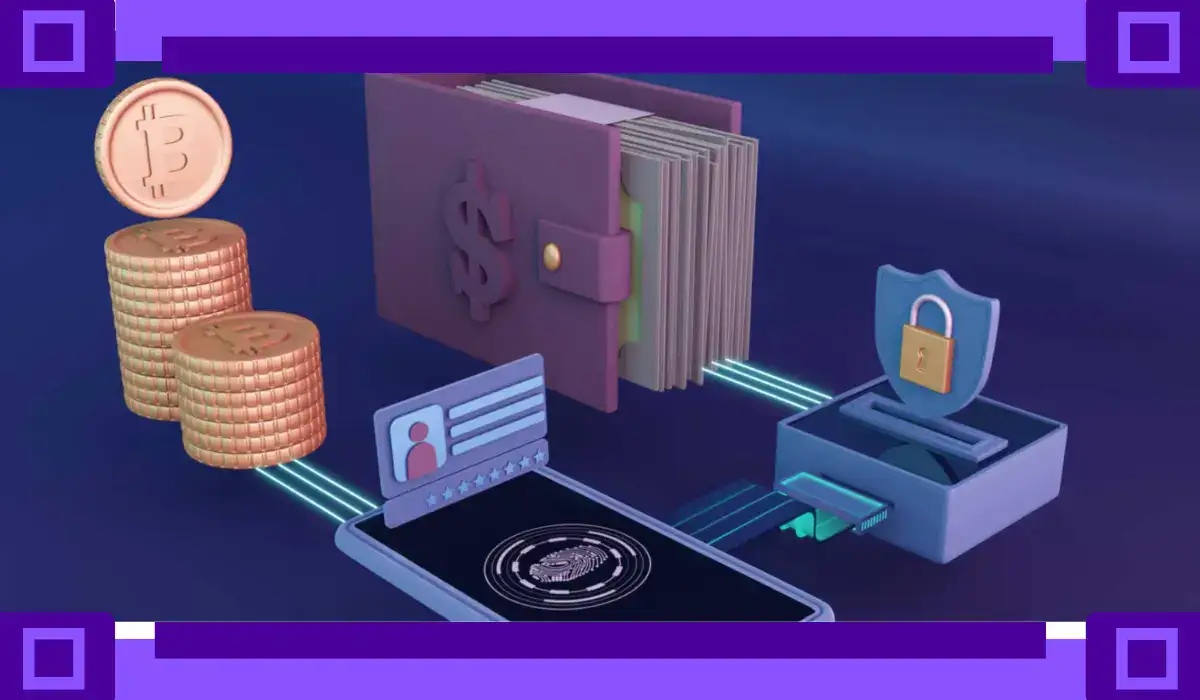
Cryptocurrency has moved from being a niche technological experiment to a global financial system used by millions of people. As adoption grows, one of the most important aspects of crypto ownership becomes clear: secure storage. Unlike traditional money stored in banks, cryptocurrencies are stored on the blockchain and accessed through specialized tools called crypto wallets.
A crypto wallet does not physically hold coins. Instead, it stores private keys that allow users to access their digital assets. Without these keys, cryptocurrencies cannot be used, transferred, or recovered.
Understanding the different types of crypto wallets is essential for investors, traders, and everyday users. Each wallet type offers a different combination of security, convenience, accessibility, and control, and choosing the right one can significantly impact the safety of your funds.
What is a Crypto Wallet?
A crypto wallet is a software or hardware tool that allows users to interact with blockchain networks. It manages two critical cryptographic elements:
- Public key used like an account number to receive funds
- Private key used like a password to access and send funds
If someone gains access to your private key, they gain full control of your crypto assets. This makes wallet security one of the most important aspects of cryptocurrency ownership.
Crypto wallets can be broadly divided into hot wallets, cold wallets, custodial wallets, and non custodial wallets, each serving different user needs.
Hot Wallets (Online Crypto Wallets)
Hot wallets are cryptocurrency wallets that remain connected to the internet. They are designed for speed, accessibility, and ease of use, making them ideal for frequent transactions and active trading.
Because they are always online, they are more vulnerable to hacking compared to offline storage solutions.
Hot wallets are commonly used in exchanges, mobile apps, and browser extensions. They are especially popular among beginners due to their simplicity and instant accessibility.
Types of Hot Wallets
Hot wallets come in several forms, each designed for different usage patterns.
Mobile wallets
Mobile wallets are smartphone applications that allow users to manage crypto on the go. They are widely used for everyday payments and quick transfers.
Desktop wallets
Desktop wallets are installed on personal computers and provide more control and functionality compared to mobile apps. They are often preferred by traders and developers who require advanced tools.
Web wallets
Web wallets run directly in browsers and are accessible from any device with an internet connection. Many cryptocurrency exchanges provide built-in web wallets for trading convenience.
Key Features of Hot Wallets
- Instant access to crypto funds
- Easy integration with exchanges and decentralized applications
- User friendly interfaces suitable for beginners
Limitations of Hot Wallets
- Higher risk of cyberattacks and phishing
- Dependence on internet security
- Not ideal for storing large amounts of crypto long term
Hot wallets are best suited for users who frequently trade or transact in cryptocurrency but should not be relied upon for long term storage of large holdings.
Cold Wallets (Offline Crypto Storage)
Cold wallets are cryptocurrency storage solutions that operate completely offline. They are considered the most secure method of storing digital assets because they are not exposed to internet based threats.
Cold wallets are primarily used for long term holding and storing large amounts of cryptocurrency safely.
Unlike hot wallets, cold wallets significantly reduce the risk of hacking because private keys never remain connected to the internet.
Types of Cold Wallets
Hardware wallets
Hardware wallets are physical devices that store private keys offline. They look like USB devices and require connection to a computer or mobile device only when making transactions.
Paper wallets
Paper wallets involve printing private and public keys on a physical document. While they are completely offline, they are rarely used today due to their vulnerability to physical damage and loss.
Key Features of Cold Wallets
- Complete offline storage of private keys
- Extremely high resistance to cyberattacks
- Ideal for long term investors
Limitations of Cold Wallets
- Less convenient for daily transactions
- Physical damage or loss can lead to permanent loss of funds
- Requires careful backup and handling
Cold wallets are considered the safest option for storing cryptocurrency, especially for investors holding significant amounts of digital assets.
Custodial Wallets (Third Party Controlled Wallets)
Custodial wallets are crypto wallets where a third party, such as a cryptocurrency exchange, manages your private keys on your behalf.
This means users do not directly control their private keys. Instead, they rely on the platform to secure and manage their assets.
These wallets are commonly used on centralized exchanges such as Binance or Coinbase, where users trade crypto frequently.
Key Features of Custodial Wallets
- Easy account recovery through email or support systems
- Simplified login using passwords or authentication systems
- Integrated trading and exchange services
Limitations of Custodial Wallets
- Users do not fully own their private keys
- Funds depend on the security of the exchange
- Risk of centralized platform hacks or shutdowns
Custodial wallets are ideal for beginners and active traders but may not be suitable for users who prioritize full ownership of their crypto assets.
Non Custodial Wallets (Self Controlled Wallets)
Non custodial wallets give users full control over their private keys. This means only the wallet owner can access and manage the funds.
These wallets are widely used in decentralized finance, Web3 applications, and personal asset storage.
Popular examples include MetaMask, Trust Wallet, and hardware wallets like Ledger.
Key Features of Non Custodial Wallets
- Full ownership and control of private keys
- Direct access to blockchain applications
- Enhanced privacy and decentralization
Limitations of Non Custodial Wallets
- No recovery option if private keys are lost
- User is fully responsible for security
- Requires technical awareness for safe usage
Non custodial wallets are preferred by advanced users and long term investors who value independence and control over their digital assets.
Hybrid Wallets (Modern Evolution)
Hybrid wallets are an emerging category that combines elements of both custodial and non custodial systems. They aim to provide a balance between usability and security.
These wallets are designed to simplify recovery processes while still giving users partial control over their assets.
Hybrid systems are becoming increasingly relevant in Web3 ecosystems where user experience and security must coexist.
Hot Wallets vs Cold Wallets
Understanding the difference between hot and cold wallets helps users choose the right storage strategy.
Hot wallets offer speed and convenience but are exposed to online threats. Cold wallets offer maximum security but lack instant accessibility.
Most crypto experts recommend using a combination of both, where hot wallets are used for daily transactions and cold wallets are used for long term storage.
Security Risks in Crypto Wallets
Despite advancements in blockchain security, crypto wallets are still vulnerable to human error and cyber threats.
Common risks include phishing attacks, fake wallet applications, malware, and compromised private keys. Even hardware wallets can be targeted through counterfeit devices or tampered firmware.
The most important rule in crypto security is simple: never share your private key or recovery phrase with anyone.
How to Choose the Right Crypto Wallet
Choosing the right wallet depends on your usage patterns and investment strategy.
For active traders, hot wallets provide quick access and convenience. For long term investors, cold wallets offer unmatched security. Many users adopt a hybrid approach to balance both needs effectively.
A secure crypto strategy often includes:
- A hot wallet for daily transactions
- A cold wallet for long term holdings
- A non custodial setup for full ownership
The Future of Crypto Wallets
Crypto wallets are evolving rapidly alongside blockchain technology. Future wallets are expected to include biometric authentication, multi signature security, and social recovery systems.
Additionally, wallets are becoming central hubs for Web3 identity, NFT storage, decentralized finance, and digital asset management.
As the crypto ecosystem expands, wallets will no longer be just storage tools. They will function as complete financial gateways for the decentralized internet.
Conclusion
Understanding the different types of crypto wallets is essential for anyone involved in cryptocurrency. Each wallet type serves a specific purpose, from fast trading to secure long term storage.
Hot wallets offer convenience, cold wallets provide security, custodial wallets simplify access, and non custodial wallets ensure full ownership.
The best approach is not choosing one type, but combining multiple wallet types based on your needs. As crypto adoption continues to grow, wallet security and management will remain the foundation of safe digital asset ownership.